Elisa De Panicis (Elisa Gold): Instagram, Age, Wiki Facts, Songs, Videos, and Photos — A Complete Fan Guide
Elisa De Panicis is a modern celebrity in the most literal sense of the word: she’s known not only for what she did on television, but also for how she has learned to keep attention alive across platforms where the “show” never really ends. Some people discover her through reality TV seasons and want to understand how she became a recognizable name. Others meet her through Instagram, where a single photo or reel can communicate a whole persona without needing translation. And an increasing number of listeners arrive through music credits and streaming platforms, where the name Elisa Gold appears and sparks the natural question: is Elisa Gold the same person as Elisa De Panicis, and what kind of music is connected to that identity?
Search trends around Elisa reflect that multi-path discovery. One person types her full name to find a biography. Another types “Instagram” because they want the official account. Another types “age” because they’re trying to place her timeline in their head. Another types “wiki” because they want quick structured facts. And then there are searches for songs, videos, and photos that suggest something deeper than casual curiosity: fans want a complete picture of the public identity, not just a single headline or a random photo that appeared in a feed.
This article brings the most common searches together in one readable, blog-style story. It is written to be useful whether you are a longtime follower or someone who has just discovered her name for the first time. It focuses on what is publicly available and widely described, while avoiding the habit of turning rumors into “facts.” That balance matters. The best fan content gives context, celebrates the work, and respects privacy boundaries that keep a public person human. With that approach, you get something more satisfying than gossip: a coherent narrative about who Elisa De Panicis is in the public eye, why the Elisa Gold name exists, and what fans can explore if they want to go deeper.
elisa de panicis
When people search “elisa de panicis,” they are usually trying to place her in the broader landscape of Italian and European entertainment. She is widely described as an Italian model and media personality whose visibility expanded through television, and who later built an influential digital presence through social media. That path is important because it explains why her name can appear in different countries’ pop-culture conversations at different times. In one context she may be referenced as a reality TV participant. In another, she may be referenced as a fashion-forward influencer. In another, she may be referenced as a performer releasing music under the Elisa Gold name.
In a media era where attention is fragmented, Elisa’s public identity works because it stays coherent even while the platform changes. The “core” of her brand is confidence and high-contrast glamour: visually bold styling, camera-aware posing, and a willingness to lean into a strong persona rather than aiming for quiet invisibility. That doesn’t mean her real life is the same as the feed. It means her public output is intentionally designed to communicate a particular feeling. Fans often respond to that feeling before they know any biography details, and that is exactly how modern celebrity discovery works.
It also helps explain why people keep returning to her name in search. Television can introduce you to someone, but it often doesn’t give you the full story. Social platforms can give you constant updates, but they can also feel like fragments without context. A long-form article becomes the bridge. It gives viewers a narrative thread: how she became known, why the name remains relevant, and how her public work in modeling, media, and music fits together into one recognizable identity.
elisa gold
“Elisa Gold” is one of the most interesting search terms connected to Elisa De Panicis because it behaves like a stage identity. The name “Gold” instantly suggests shine, luxury, and performance confidence, which aligns with the glamorous tone many fans associate with her public image. For listeners who first discover her through music-related content, “Elisa Gold” may even feel like the primary identity, while “Elisa De Panicis” feels like the biography key that confirms who the person behind the stage brand is.
The reason stage names matter is that they help audiences organize meaning. A stage name is not necessarily a mask or a separate personality; it is often a focused version of identity that fits a particular creative lane. If you release music, the audience expects a coherent performer name. If you appear in fashion and entertainment, the audience expects a recognizable brand label. “Elisa Gold” works as a compact, memorable label that fits music platforms, music video titles, and promotional content without the length and complexity of a full surname.
At the same time, fans should be aware that streaming ecosystems sometimes contain name overlap between different artists. When you see an artist page, it is smart to confirm that the profile imagery, release history, and credits match the person you are searching for. For Elisa, the clearest “Elisa Gold” connection appears through releases that are discussed in media interviews and through content that references her as a singer as well as a model. When the release context is consistent, the stage name functions exactly as intended: a musical signature attached to the same public figure people know from TV and Instagram.
elisa panicis
People also search “elisa panicis” because the internet naturally shortens names. Comments, captions, and fan pages often drop small words like “de,” and search engines learn those variations quickly. This is especially common when a name travels across languages. Italian naming structures may be written differently in Spanish, English, or mixed-language social posts, and the result is that fans repeat whatever spelling they saw first.
If you ever wondered why the shorter form produces different results, the answer is simple: indexing. Search platforms treat variations as separate entry points, so “elisa panicis” can show slightly different pages than “elisa de panicis,” even when they refer to the same person. For a fan, that can feel confusing, because it creates the impression of multiple identities. In reality, it’s usually just a linguistic shortcut combined with algorithm behavior.
The best way to think about the “elisa panicis” variation is as a practical alias used by audiences rather than an official rebrand. It can help discovery because it captures the way real people type, especially on mobile. But when you want accurate biography information, it’s usually better to search the full name, because official profiles, media articles, and platform accounts tend to use the complete form. Understanding this naming behavior helps fans navigate online information without falling into the trap of treating a search variation like a separate person.
elisa de panicis instagram
Instagram is a major reason Elisa stays consistently visible. On that platform, her audience can follow the visual story in real time: styling choices, travel moments, collaborations, photoshoots, and short-form videos that compress personality into seconds. Unlike television, which is seasonal, Instagram creates continuity. Even when a show is over, the feed continues, and the audience keeps a sense of connection through visuals that feel direct and personal.
What many fans respond to in her Instagram presence is intentionality. Some influencers build a brand around casual authenticity, aiming for “I just happened to look perfect.” Elisa’s style frequently looks deliberate, which gives it a more cinematic quality. The photos often communicate a clear message about mood and self-image: confidence, femininity, playfulness, and sometimes a dramatic edge. That consistency makes her account feel like a curated gallery rather than a random diary, which is part of why people search for her photos and reels as if they were a portfolio.
Instagram also acts as the crossroad where all her audiences meet. Reality TV viewers come to see what she is like outside the edit. Fashion followers come for looks and shoots. Music listeners come to connect the voice to the persona. And because reels and short clips can go viral, new viewers can discover her without any background at all, then search her name to find the source. If you want the most up-to-date view of her public identity, Instagram is often where you’ll see it evolve first, because it’s where she can control the narrative without external editing.
elisa de panicis age
Age-related searches tend to be persistent for celebrities, even when the answer is easy to find, because the question is not only curiosity. It is orientation. People want to place a public figure on a timeline: when did they start, how long have they been visible, and how does their current image relate to earlier eras. With Elisa, the “age” query often appears alongside nostalgia searches and “young” searches, suggesting that fans are comparing different phases of her public career and trying to understand how quickly it evolved.
Public biography sources commonly list Elisa De Panicis’s birth date as December 1, 1992. If that date is correct, then by late 2025 she is 33 years old, since her birthday is in early December. That number matters less as trivia and more as context. It helps explain why her public identity looks more controlled and brand-like today than it might have in earlier years. People in their early twenties often enter visibility through someone else’s production system, such as a show or a modeling pipeline. People in their thirties often have more leverage to shape the story and choose how they want to be perceived.
Fans also ask about age because it intersects with credibility. When someone is building a multi-platform presence, audiences want to know whether it is a short trend or a sustained career. Age is sometimes used as a rough proxy for that, because it suggests how long someone has been working in public. But the more meaningful indicator is consistency. Regardless of the number, the reason Elisa remains searchable is that she continues to produce content and public moments that keep the audience engaged across multiple platforms, which is a skill that goes beyond age.
elisa de panicis wiki
The “wiki” search usually means people want structured facts: where she is from, what she is known for, and what major projects appear in her public record. Wiki-style pages can be helpful for quick orientation, but they rarely capture how a modern creator actually operates. Elisa’s identity is not only a list of appearances; it is a blend of modeling, media visibility, social influence, and music-related branding. A single infobox can’t fully express that.
Still, the wiki impulse makes sense because Elisa is known in multiple contexts. She has been associated with reality formats across European media ecosystems, and those ecosystems are often documented in different places. Some databases focus on a specific country’s shows. Others focus on international versions. Others focus on streaming credits. The result is that fans see pieces in different places and want one page that feels authoritative. When the official reference page feels incomplete, the “wiki” search becomes a way to find a consolidated summary.
The smartest way to use wiki-style information is to treat it as a map rather than a final truth. It can give you the names of shows, the basic timeline, and the main labels people use for her profession. Then you can confirm the feeling of who she is by engaging with her actual output: interviews, social content, music releases, and the visual language of her brand. A well-rounded fan understanding comes from both: facts for orientation and creative work for meaning.
elisa de panicis songs
Music-related searches around Elisa are fascinating because they suggest that many people experience her as a performer, not only as an influencer. Songs provide a different kind of connection. A photo can be admired and scrolled past, but a song can become part of your mood for days. When listeners search “elisa de panicis songs,” they often want to know what to play first, and they want to understand whether the music is a serious creative lane or a side project.
One of the earliest widely referenced tracks connected to the Elisa Gold identity is “Media Naranja,” a Spanish-language reggaeton-influenced release that leans into playful romance and the bright energy of a first-love storyline. Later releases under the Elisa Gold name have been discussed in ways that emphasize confidence and empowerment, with titles and themes that aim to transmit self-esteem and bold femininity. This matters because it shows a clear alignment between the music brand and the visual brand. The songs are not random; they are chosen to match the persona: stylish, confident, and designed to work in social-video culture where hooks travel fast.
If you’re exploring her songs today, the best approach is to start with the tracks most consistently connected to her in interviews and official postings, then follow the artist pages on major streaming platforms to see what is linked there. This keeps your listening experience clean and reduces the chance of mixing in unrelated artists who share similar naming. It also lets you notice the evolution: how production choices, language, and performance style shift over time as the music identity becomes more defined.
elisa de panicis videos
When fans search “elisa de panicis videos,” they may be looking for different types of content that all live under the same name. For some, the search means reality TV clips and interview segments where her personality appears through conversation and social dynamics. For others, it means music videos released under the Elisa Gold identity, where she steps into a performance role that blends visual storytelling with music branding. And for a large modern audience, “videos” means social clips: reels, short edits, and platform-native content that spreads through algorithms more quickly than traditional media ever could.
Music videos are particularly useful for understanding how Elisa wants to be seen as a performer. In a music video, the camera is not capturing an accidental moment; it is capturing intentional performance. That requires presence, pacing, and a relationship with the lens that feels confident rather than shy. For fans who know her primarily through photos, music videos can feel like the missing piece because they show movement, expression, and a different kind of charisma. The person is no longer a still image; she becomes an active storyteller.
Reality TV and interview clips, on the other hand, should always be viewed with the awareness that editing shapes narrative. A single scene can be framed to create conflict, humor, or romance depending on what the show needs. That doesn’t mean the person is fake; it means the product is structured. A respectful fan can enjoy those videos while remembering they are not unfiltered reality. The most authentic “video” window is often social content, because it is controlled by the creator. Reels and short clips may still be curated, but the curation belongs to the person, not to a production team.
elisa de panicis photos
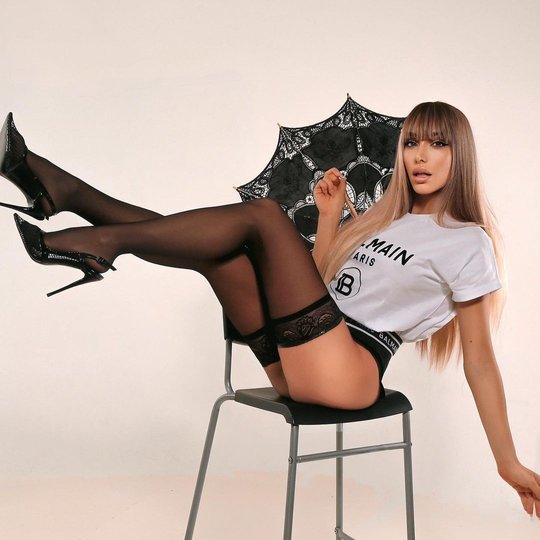
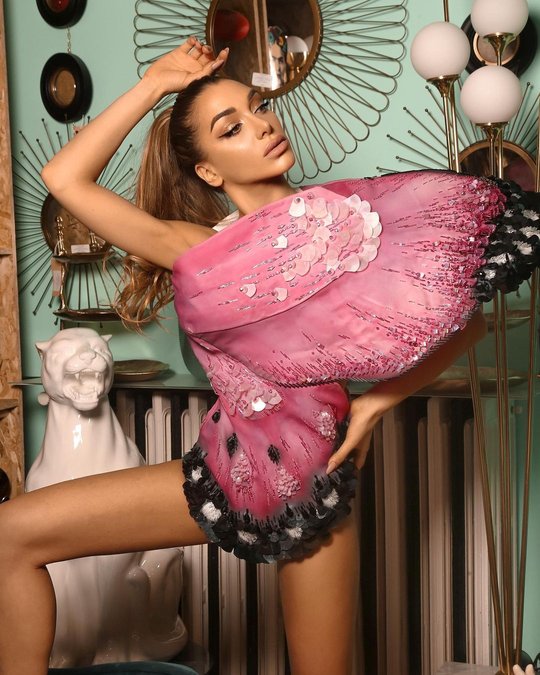
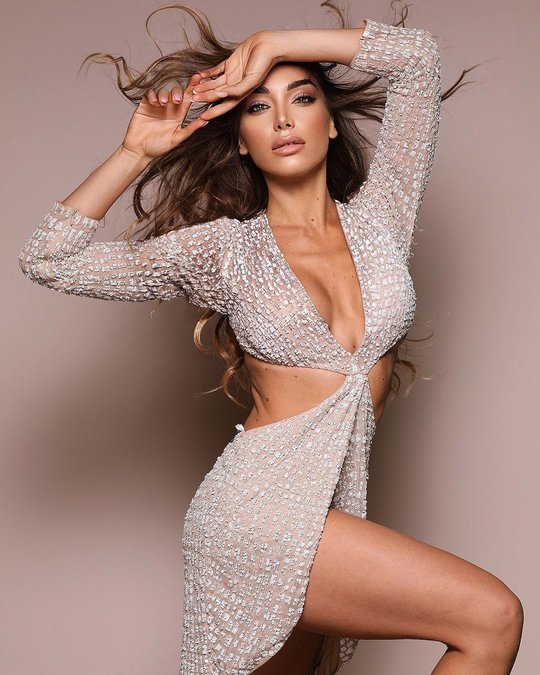
Photos are a central reason Elisa is searchable, but “photos” are not just images. They are the language of her brand. As a model and public figure, she uses photography to communicate themes that fans recognize instantly: glamour, confidence, travel energy, and a playful intensity that makes the persona feel larger than everyday life. People search for her photos because they want to revisit that feeling, use it as inspiration, or simply appreciate the visual craft of styling, posing, and composition.
There are different “types” of Elisa photos that circulate online. Some are professional editorial images, created with photographers, stylists, and controlled lighting, often aiming for a timeless fashion feel. Others are lifestyle images, where location and atmosphere become part of the story: a city backdrop, a resort scene, or a dramatic environment that signals movement and freedom. And then there are the social photos designed for feed impact, which are built to stop the scroll with strong posing, confident energy, and clean visual lines. Each type plays a different role, but together they reinforce the same public identity.
It is also important to talk about photos responsibly. Photography is creative work with ownership and credit. The best way to support a public figure and the creators around them is to engage with official channels, respect photographer credit, and avoid reposting in ways that erase authorship. If you are building a fan page, the highest-value approach is context rather than volume: fewer images with respectful descriptions of style era, shoot theme, or public moment. That kind of curation feels more thoughtful, helps readers learn, and avoids turning someone’s image into a faceless content dump.
Elisa De Panicis, alongside the Elisa Gold identity, represents a common modern pattern: a public figure who moves between modeling, television visibility, social influence, and music branding without losing a coherent “signature.” That coherence is why her name produces so many searches. People don’t only want one fact. They want a full picture. If you came here for the most searched topics, you now have the story thread that connects them: the name variations, the Instagram presence, the age question, the wiki-style context, and the creative output in songs, videos, and photos. As her public catalog evolves, these search terms will likely remain active, because they map the different ways audiences discover and follow her in the internet era.